The gap between what England cricketers earn from playing and what they’re actually worth can be massive.
Stuart Broad retired with $67 million. His total career match fees? A fraction of that.
The richest England cricketers 2026 didn’t just play well. They invested smart. ECB contracts provided a steady income.
Brand endorsements added millions. But property portfolios, business ownership, and media careers created the real wealth.
James Anderson chose Test cricket longevity over T20 cash grabs and still became worth $20 million.
Andrew Flintoff transformed his 2005 Ashes heroics into a mainstream television career.
Jos Buttler leveraged IPL stardom into venture capital investments.
Richest England Cricketers 2026
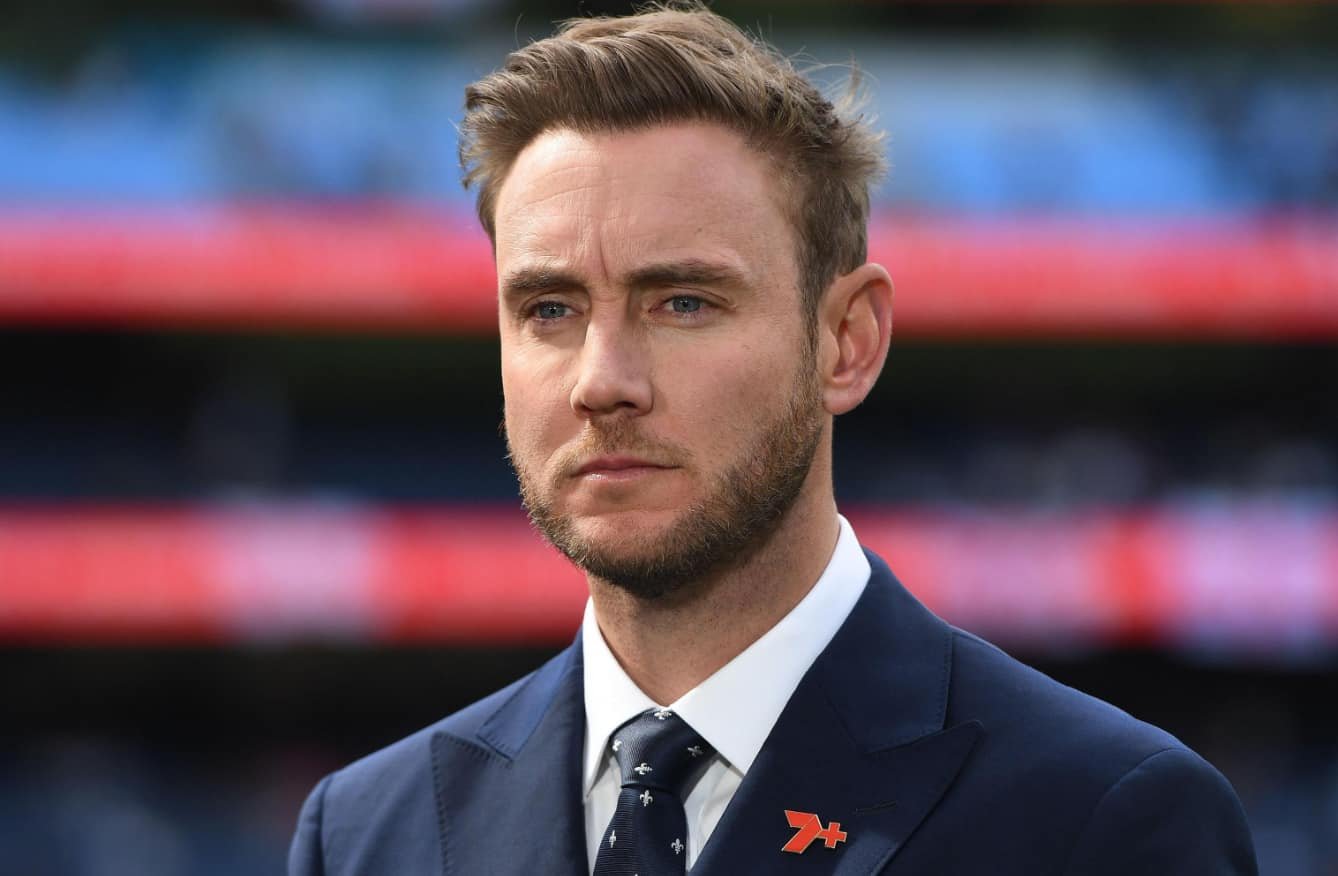
This list reveals who accumulated the most and what strategies separated the wealthy from the extremely wealthy.
From pub chains to property empires, these seven players proved cricket success is just the beginning.
Top 7 Richest England Cricketers as of 2026
England’s wealthiest cricket stars ranked by total net worth:
| Position | Player | Net Worth (INR) | Net Worth (USD) |
|---|---|---|---|
| 1 | Stuart Broad | ₹583 crore | $67 million |
| 2 | Andrew Flintoff | ₹182 crore | $21 million |
| 3 | James Anderson | ₹174 crore | $20 million |
| 4 | Graeme Swann | ₹139 crore | $16 million |
| 5 | Jos Buttler | ₹139 crore | $16 million |
| 6 | Ben Stokes | ₹113 crore | $13 million |
| 7 | Joe Root | ₹87 crore | $10 million |
Three retired players hold the top spots. Four current players are still building wealth.
This split shows how post-career income streams often exceed playing salaries.
Broad’s $67 million dwarfs everyone else. The gap between him and second-place Flintoff is $46 million.
That difference reflects business success beyond cricket achievement alone.
Current players like Buttler, Stokes, and Root will likely move up as investments mature and careers continue.
Their wealth trajectories point upward, while retired players have largely maximized earning potential.
Each player’s path to wealth was unique. Let’s examine their strategies.
1. Stuart Broad
| Aspect | Details |
|---|---|
| Net worth | $67 million |
| Income sources | Business ventures, Property investments, Cricket media, Company revenue |
| Endorsements | Red Bull, Adidas, Hardy, Fitzdares |
| Business ventures | Tap and Run (Gastropub) Co-owner |
Stuart Broad’s $67 million makes him the undisputed richest England cricketer. His 604 Test wickets over 15+ years provided consistent high-level income through ECB contracts worth hundreds of thousands annually.
Cricket built the platform. Business ventures built the fortune. Broad co-owns gastropubs, generating revenue whether he’s involved daily or not.
Professional management runs operations while his name attracts customers. This passive income model creates wealth that outlasts playing careers.
His property holdings span multiple high-value locations. These investments generate rental income while appreciating. The combination creates compound wealth growth that traditional savings never achieve.
Premium brands like Red Bull and Adidas pay substantial annual fees for association with Broad’s success and personality. These partnerships often extend beyond retirement through ambassador roles that require minimal time commitment.
Media work replaced cricket income seamlessly. His podcast and commentary for major broadcasters leverage cricket knowledge into continued earnings. Networks pay premium rates for authentic voices with playing credibility.
Broad’s wealth reflects calculated financial decisions throughout his career rather than lucky breaks after retirement.
2. Andrew Flintoff
| Aspect | Details |
|---|---|
| Net worth | $21 million |
| Income sources | Cricket coaching, Media hosting, Brand partnerships |
| Endorsements | Jacamo, Morrisons |
| Business ventures | Freddie Flintoff Ltd |
Andrew Flintoff built $21 million by transcending cricket. His 2005 Ashes performances created national hero status that opened doors beyond sports.
Television producers saw mainstream appeal rather than just cricket expertise.
His presenting work spans shows having nothing to do with cricket. This crossover multiplied earning potential exponentially.
Cricket commentary pays well. Mainstream TV pays better. His shows attract millions of general viewers, justifying premium presenter contracts.
Brand partnerships with Jacamo and Morrisons target everyday consumers. These deals pay for relatability and authentic connection with working-class audiences.
Premium brands want aspirational figures. Mass-market brands want approachable ones. Flintoff’s image fits the latter perfectly.
Freddie Flintoff Ltd structures its commercial activities for tax efficiency while maximizing income. The company negotiates deals, manages appearances, and handles speaking engagements professionally.
His coaching involvement with England junior programs and private sessions keeps cricket connections alive while generating additional income streams that don’t require the physical demands of playing.
3. James Anderson
| Aspect | Details |
|---|---|
| Net worth | $20 million |
| Income sources | Professional cricket, Brand deals |
| Endorsements | Thomas Cook Sport, Vampire, Wellman |
| Business ventures | Real estate |
James Anderson’s $20 million proves longevity beats flash. Twenty years as an international fast bowler meant two decades of premium ECB contracts. That consistency compounds earnings far beyond what shorter, higher-profile careers achieve.
His choice to focus exclusively on Test cricket actually increased his value. While others chased T20 millions, Anderson became Test cricket’s most successful bowler. Brands wanting an association with traditional excellence chose him over flashier alternatives.
Health and wellness endorsements leverage his remarkable fitness into his 40s. Wellman vitamins and similar products pay for proof that their offerings work. Anderson’s longevity provides that proof better than any advertisement could.
Real estate forms his primary wealth outside cricket. Multiple properties across desirable locations generate rental income and appreciate steadily. This traditional investment approach provides stability without requiring active management or market timing.
His luxury car collection represents assets he believes will appreciate rather than depreciate. Limited editions and classics often increase in value, making them investments that happen to be usable.
Controversy-free reputation guaranteed stable endorsement income. Brands terminated deals with problematic athletes. Anderson’s clean image meant reliable long-term partnerships.
4. Graeme Swann
| Aspect | Details |
|---|---|
| Net worth | $16 million |
| Income sources | Cricket commentary, Media appearances, Endorsements |
| Endorsements | Sports brands |
| Business ventures | Mentoring programs |
Graeme Swann’s $16 million came from converting personality into profit. His sharp wit and entertaining approach made him memorable during his playing days. Those qualities became marketable assets post-retirement.
Broadcasting hired Swann immediately. His commentary makes dull sessions entertaining. Networks value this ability to maintain viewer engagement regardless of on-field action. Major tournaments pay premium day rates that exceed what playing cricket did.
Corporate speaking provides substantial income. Five-figure fees for presentations about teamwork and handling pressure create significant annual earnings. Companies value engaging speakers who hold audience attention while delivering useful insights.
Mentoring programs work with developing cricketers and athletes from other sports. Swann’s reputation for spin bowling expertise adds credibility that justifies premium coaching fees. These programs generate income without physical demands.
Continued visibility through broadcasting maintains endorsement value. Sports brands still see benefit in association despite retirement. His recognition factor keeps commercial opportunities flowing.
5. Jos Buttler
| Aspect | Details |
|---|---|
| Net worth | $16 million |
| Income sources | ECB contract, IPL salary, Endorsements, Investments |
| Endorsements | Vitality, Oppo, Kookaburra, Castore, Booking.com |
| Business ventures | Player’s Fund (VC), Real estate, Wellness brands |
Jos Buttler’s $16 million showcases modern cricket’s global opportunities. White-ball dominance made him valuable to England and T20 leagues globally. IPL contracts alone pay millions for six weeks annually.
His ECB contract provides year-round stability. Top-tier agreements pay upwards of £700,000 before match fees and bonuses. This guaranteed base allows aggressive investing of variable income from leagues and endorsements.
Multiple global brands signed Buttler for his worldwide profile. Vitality, Oppo, and Booking.com saw value in cricket’s global reach. These partnerships often include equity stakes or performance bonuses beyond base fees.
Player’s Fund investments position him for post-career wealth. This venture capital group targets sports and wellness startups. Successful exits from portfolio companies could significantly increase his net worth beyond current estimates.
Property holdings in England and internationally provide diversification beyond cricket-related investments. These assets appreciate while generating rental income independent of sporting performance.
Still actively playing means his wealth trajectory remains strongly upward. Current projections suggest $25-30 million by retirement if investment performance continues.
6. Ben Stokes
| Aspect | Details |
|---|---|
| Net worth | $13 million |
| Income sources | ECB contract, Endorsements, Property investments |
| Endorsements | Adidas, Red Bull |
| Business ventures | CleanCo |
Ben Stokes accumulated $13 million through being cricket’s ultimate match-winner.
His 2019 World Cup final performance at Lord’s created marketability that transcends normal athletic endorsement value.
Red Bull and Adidas partnerships pay premium rates for his fearless, aggressive brand.
These deals extend into content creation and campaign involvement rather than simple logo placement.
Stokes features in Red Bull’s adventure content alongside extreme sports athletes.
CleanCo investment shows strategic brand alignment. This non-alcoholic spirits company matches his evolved public image and health-conscious positioning.
Company growth or acquisition could multiply this stake’s value significantly.
Property investments target high-end residential real estate in appreciating markets.
Strong rental yields plus capital appreciation provide dual income streams that build wealth faster than single-benefit investments.
Test captaincy includes leadership bonuses beyond the base ECB contract. This additional income, plus increased sponsor appeal, makes the role financially valuable despite added pressures.
Continuing to play at peak performance suggests wealth could double over the next decade through smart investing combined with cricket earnings.
7. Joe Root
| Aspect | Details |
|---|---|
| Net worth | $10 million |
| Income sources | ECB contract, Endorsements, Investments |
| Endorsements | Vitality, Brut, New Balance |
| Business ventures | Property investments, Cricket media |
Joe Root built $10 million as England’s most consistent Test batter for over a decade.
Top-tier central contracts throughout his career provided a stable foundation income. Former Test captaincy bonuses and marketability increases.
His endorsement portfolio emphasizes professionalism over personality. Vitality, Brut, and New Balance chose Root for reliability and excellence.
These brands pay for association with sustained performance rather than flashy entertainment.
Investment strategy prioritizes steady growth. Property purchases in high-demand locations provide reliable returns.
Holding long-term allows compound appreciation rather than quick-flip gains. This conservative approach matches his personality while building sustainable wealth.
Positioning for post-career media work continues. His cricket knowledge and articulate style make him ideal for commentary and analysis.
These future income streams will supplement investment returns when the playing ends.
At 33, several high-earning years remain. Projected wealth at retirement sits around $15-18 million if the current trajectory continues through smart investing and contract renewals.
FAQs
- Q: Who is the wealthiest England cricketer in 2026?
Stuart Broad has approximately $67 million. His wealth comes from a 15+ year career, gastropub ownership, property investments, premium endorsements (Red Bull, Adidas), and a successful media transition post-retirement.
- Q: What are England cricket contracts worth?
ECB central contracts range from £200,000-700,000 annually, depending on format specialization and seniority. Top all-format players like Stokes receive the highest tier. Match fees and tournament bonuses add substantially to base contracts.
- Q: Can England cricketers play in the IPL?
Yes, England players participate when schedules allow. Jos Buttler and Ben Stokes have earned significant IPL contracts, though England commitments sometimes cause them to miss portions of the tournament.
- Q: What businesses do wealthy England cricketers own?
Stuart Broad co-owns gastropubs. Ben Stokes invested in CleanCo spirits. Andrew Flintoff operates Freddie Flintoff Ltd. Most players own property portfolios. Jos Buttler invests in sports startups via venture capital.
- Q: Why is Stuart Broad wealthier than other England players?
Broad combined long career earnings with smart business investments (gastropubs), extensive property holdings, premium brand deals (Red Bull, Adidas), and a successful media career post-retirement. His business decisions matched his cricket talent.
- Q: How do cricketers earn after retirement?
Retired players earn through broadcasting commentary, corporate speaking engagements, coaching positions, ongoing endorsement deals, property rental income, business profits, and investment returns. Many earn more post-playing than during their careers.
Conclusion: Smart Money Beyond Cricket
Stuart Broad’s $67 million proves that being the richest England cricketer requires more than talent. It demands financial intelligence, strategic thinking, and long-term planning.
These seven players took different approaches to wealth. Flintoff went on mainstream television. Anderson chose longevity over T20 riches. Buttler embraced global T20 opportunities. Each found their path.
The common thread? They all invested during peak earning years. They built income streams independent of playing ability. They positioned themselves for post-career earnings.
This ranking evolves constantly. Buttler and Stokes could climb higher with continued smart investing. Younger players might break through. But currently, these seven represent England cricket’s financial elite.
They proved cricket opens doors, but walking through requires vision beyond cricket statistics and match performances.
Final Verdict:
Explore more cricket player profiles, earnings analysis, and wealth-building strategies. Follow our coverage for the latest updates on player contracts, endorsement deals, and financial news.
Also Check:
About the Author
