Test cricket is the only format where draws exist.
They happen when five days of play finish without a winner.
Here’s what you need to know about test match draw rules.
Test Match Draw Rules
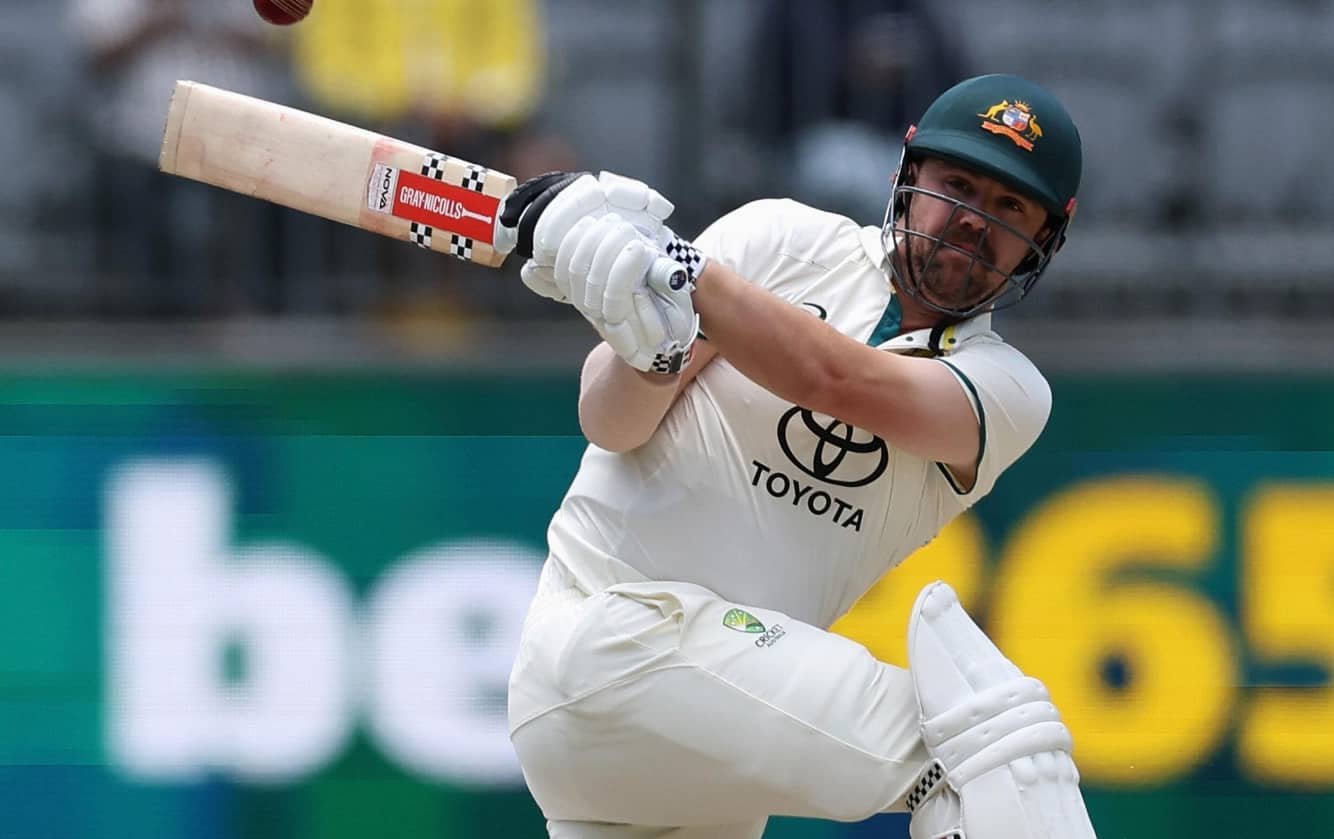
Quick Answer: A test match ends in a draw when time runs out before a result is reached. The batting team must have at least one wicket remaining. No target is achieved, no team is all out, the match simply ends.
What is a Draw in Test Cricket?
A draw occurs when the scheduled playing days end without either team winning.
Test matches last five days. Sometimes, four days for specific fixtures.
Each team gets two innings. The goal is to score more runs and dismiss the opposition twice.
If the team batting last doesn’t reach their target before time expires, and they still have wickets in hand, the match is drawn.
No winner. No loser. The game ends incomplete.
Rain can cause draws, too. If the weather stops enough play, teams can’t finish all innings.
The key requirement: the batting side must have at least one wicket remaining when time runs out.
5 Day Test Match Rules for Draws
Standard test matches run for five days.
Each day allows up to 90 overs minimum. Bad light or rain can reduce this.
Play typically runs six hours per day with breaks for lunch and tea.
Here’s how the five days work:
- Days 1-2: First innings for both teams
- Days 3-4: Second innings begin
- Day 5: Final push for a result
Teams have roughly 450 overs total to force a result. If they can’t, the match is drawn.
No extra time. No extensions. When stumps are drawn on day five, the game ends.
Some modern tests use four days instead. England played Zimbabwe in a four-day test at Trent Bridge in 2025.
Shorter tests mean fewer draws. Less time makes results more likely.
4-Day Test Match Rules
Four-day tests follow the same basic rules as five-day matches.
The main difference: less time to reach a result.
Each day still aims for 90 overs. Teams get roughly 360 overs total instead of 450.
This format pushes teams to play more aggressively. Defensive batting becomes risky.
The ICC tested four-day tests to speed up the game. Not all cricket boards support the change.
Draw rules remain identical. If time runs out with wickets in hand, the match is drawn.
Four-day tests produce fewer draws than five-day games. The time pressure forces decisions.
Test Cricket Rules to Win vs Draw
To win a test match:
- Dismiss the opposition twice
- Score more total runs
- OR chase down the target set in the fourth innings
For a draw to occur:
- Time expires before a result
- The batting team has wickets remaining
- No target is reached or defended
Teams sometimes play for draws deliberately. If they’re losing, batting out time saves the match.
This is called “playing for a draw.” Batters focus on survival, not scoring.
The bowling team tries everything to take the final wickets before time runs out.
Famous examples include the 2005 Ashes. Australia’s last pair blocked out several overs at Old Trafford to secure a draw.
Match Draw Meaning in Cricket
In cricket, a draw and a tie are different results.
- Draw: Time runs out, batting team has wickets left, no result reached.
- Tie: Scores are level, batting team is all out, extremely rare.
Draws happen regularly in test cricket. Ties are incredibly rare.
Only two tied tests exist in cricket history:
- Australia vs West Indies, Brisbane 1960
- Australia vs India, Chennai 1986
A draw leaves both teams with shared points in the series standings.
In a five-match series, a 2-1 result with two draws means one team wins overall.
Draws can be tactical. Teams use them to avoid losing crucial matches.
How Often Do Test Matches End in Draws?
Modern test cricket produces fewer draws than before.
Historical data:
- 1997: About 50% of tests ended in draws
- 2002-2017: Roughly 25% ended in draws
- 2020s: Even fewer draws occur
In August 2024, the West Indies vs South Africa match ended a record streak. It was the first draw in 28 consecutive test matches worldwide.
Why fewer draws now?
- Aggressive batting approaches
- Better pitch preparation for results
- Day-night tests with pink balls
- Teams prioritize wins over safety
Rain still causes draws. But dry weather produces results more often.
Test cricket pace has increased. Teams score faster, declare earlier, and push for wins.
Draw Test Match Scorecard Example
Here’s what a drawn test scorecard looks like:
India vs West Indies, Mumbai 2011
- India 1st innings: 482 West Indies 1st innings: 590 India 2nd innings: 242/9 (target 243)
- Result: Match drawn
India needed one run to win with one wicket left. R Ashwin was run out on the final ball. Scores level, match drawn.
This is the rarest type of draw. Scores tied, but the batting team still had wickets remaining.
Test Match Draw Rules India
India follows the same test match draw rules as all ICC nations.
There are no special draw rules for India specifically.
Indian pitches historically produced more draws. Flat wickets favored batters.
Modern Indian pitches turn more. This creates results faster.
BCCI (Board of Control for Cricket in India) follows ICC regulations for all test cricket.
Whether playing in India or abroad, the rules stay consistent.
Test Match Draw Rules T20 World Cup
T20 cricket cannot end in a draw.
Only test matches and first-class cricket allow draws.
T20 World Cup matches use these rules instead:
- If scores are tied, a Super Over decides the winner
- Each team faces six balls
- The highest score in the Super Over wins
Limited-overs cricket eliminates draws completely. Teams must reach a result.
If rain interrupts, the Duckworth-Lewis-Stern (DLS) method adjusts targets.
Never confuse test cricket draws with T20 outcomes. They’re completely different formats.
Famous Test Match Draws
South Africa vs England, Durban 1939
The longest test match ever played.
This “timeless test” lasted 10 days. England chased 696, reached 654/5, then abandoned the match.
Why? They had to catch their boat home.
The match was drawn despite no time limit existing.
England vs Australia, Old Trafford 2005
The 2005 Ashes third test produced a tense draw.
Australia’s last-wicket pair (Brett Lee and Glenn McGrath) blocked out England’s bowling.
They survived several overs to save the match. England couldn’t break through.
This draw kept Australia alive in the series.
India vs West Indies, Mumbai 2011
The only test where scores finished level with wickets remaining.
India needed one run from one ball. Ashwin attempted the winning run and was run out.
- Final scores: India 242/9 chasing 243.
- Result: Draw.
FAQs
- Can a test match end in a draw if one team is all out?
No. If the batting team is all out and scores are level, it’s a tie, not a draw. If they’re all out below the target, they lose. Draws require wickets in hand when time expires.
- How many days are in a test match?
Most test matches last five days. Some recent tests use a four-day format. Each day includes up to 90 overs minimum, weather permitting.
- What’s the difference between a draw and a tie in test cricket?
A draw happens when time runs out with wickets remaining. A tie occurs when scores are level and the batting team is all out. Ties are extremely rare in test cricket.
- Can T20 or ODI matches end in draws?
No. Limited-overs cricket uses Super Overs to decide tied matches. Draws only exist in test cricket and first-class cricket.
- Why do test matches have draws?
Draws exist because test cricket is time-based, not over-limited. Five days may not be enough time to force a result, especially if rain intervenes or pitches favor batting.
- What happens to series points in a draw?
In test series, draws usually award half points to each team. Some series award no points for draws. Rules vary by tournament format.
Conclusion:
Test match draw rules are simple. When time runs out before a result, and the batting team has wickets left, the match is drawn.
Draws are becoming rarer as cricket gets faster and more aggressive. But they remain an important part of test cricket’s strategic depth.
Understanding draws helps you appreciate the tactical battles in five-day cricket. Teams must balance attack and defense across multiple days.
Next time you watch a test match heading for a draw, you’ll know exactly why it’s happening and what it means for the series.
Also Check:
About the Author
