Every IPL auction, cameras zoom in on one face more than others.
Kavya Maran sits at the SRH table, visibly reacting to every bid. She cheers big acquisitions. She grimaces when rivals outbid her team.
But is she the SRH team owner? Not exactly. She runs the franchise, but ownership sits with her father’s company.
The SUN Group controls Sunrisers Hyderabad through Sun TV Network Limited. Kalanithi Maran chairs this media empire.
It generates billions from television channels across South India. Kavya handles cricket operations while the family business provides unlimited funding.
This setup created something unusual. SRH operates like a media company that happens to own a cricket team.
Their strategies reflect this background. High-scoring matches create viral content.
Bold player choices generate discussion. Entertainment value sometimes trumps winning percentages.
SRH Team Owner
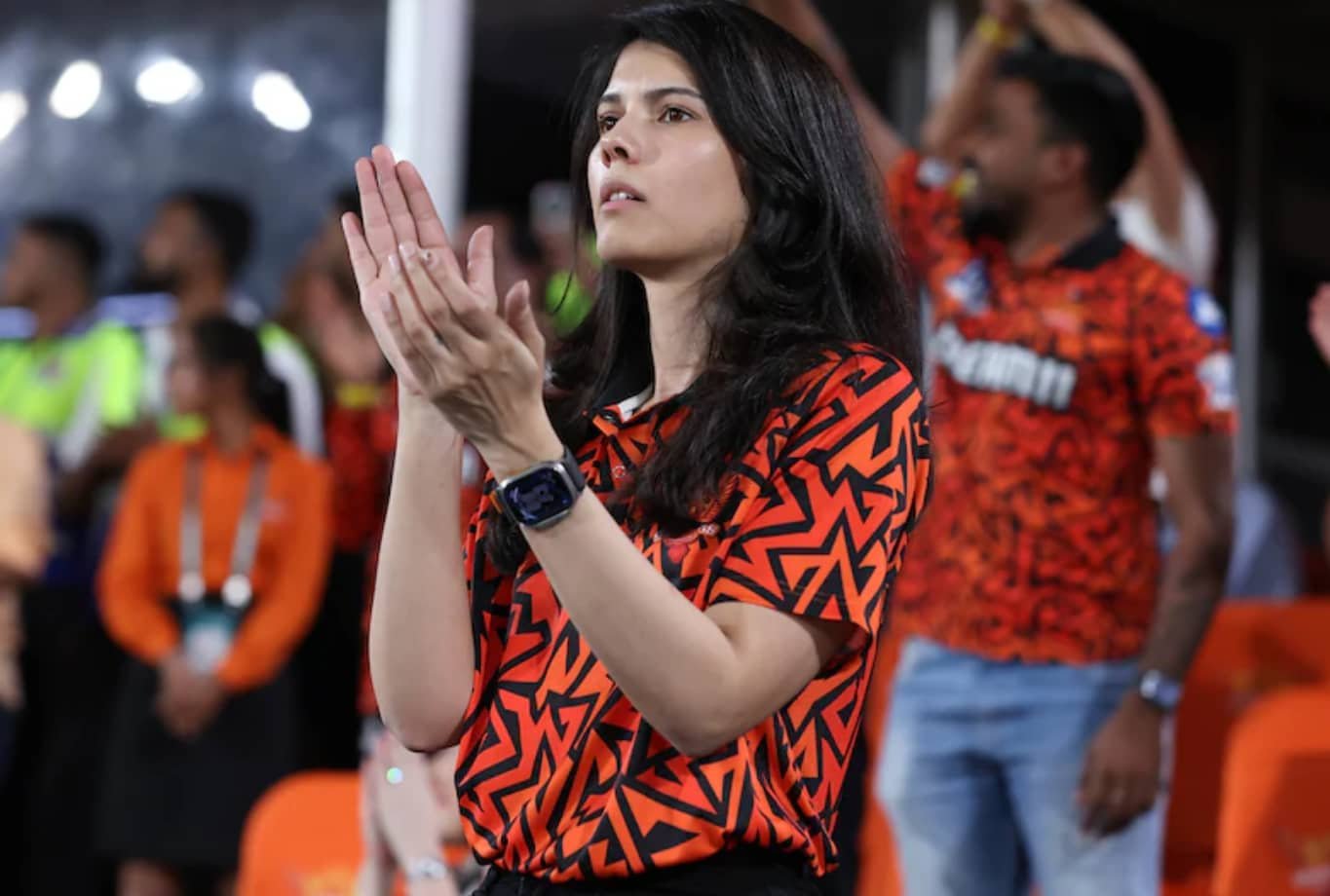
This article explains who really owns SRH, where the money comes from, and why this franchise plays cricket differently from its competitors.
Understanding SRH’s Ownership Structure
Quick Answer: Sun TV Network Limited legally owns Sunrisers Hyderabad.
This publicly traded company belongs to the SUN Group, founded by Kalanithi Maran. His daughter Kavya Maran serves as CEO and manages all franchise operations.
The arrangement separates legal ownership from operational control.
Sun TV Network’s board officially holds the franchise rights. But Kavya Maran makes player decisions, auction strategies, and team management calls.
This structure works because family trust runs deep. Kalanithi Maran doesn’t interfere with cricket choices.
Kavya doesn’t touch the media business operations. Each controls their domain.
The SRH owner name 2026 technically lists Sun TV Network Limited on official BCCI documents.
But everyone in cricket circles knows Kavya Maran runs the show.
Why use Sun TV Network instead of direct family ownership? Tax efficiency and corporate structure benefits.
Publicly traded companies can manage sports assets more cleanly than individual owners.
Sponsorship contracts, player salaries, and stadium deals all flow through established corporate channels.
The SUN Group paid $85 million in 2012 when BCCI terminated the Deccan Chargers. That franchise collapsed under debt. The league needed a stable replacement fast.
Multiple bidders emerged. The SUN Group won because it showed immediate liquidity and proven business management.
No financial uncertainty. No complex ownership webs. Just clean capital from a profitable media company.
The Maran Family’s Wealth Sources
The SRH team owner net worth question needs context. The franchise itself is worth $154 million. But that’s separate from family wealth.
Kalanithi Maran’s personal fortune exceeds $2.5 billion. Some estimates push it past $3 billion. This comes primarily from his controlling stake in Sun TV Network, which trades on Indian stock exchanges with a market cap of around $2 billion.
Breaking down the wealth sources:
- Sun TV Network: The crown jewel. This company operates 33+ regional television channels. Advertisement revenue alone generates hundreds of millions annually. Add subscription fees from cable operators and DTH services, and you get a cash-printing machine.
- Sun Direct: The group’s DTH (direct-to-home) satellite service has approximately 14 million subscribers. Each pays monthly fees. This creates predictable recurring revenue that funds everything else.
- Real Estate: The family owns significant property in Chennai and other cities. Most stays are private and unlisted.
- Historical Aviation Exit: The group once controlled the SpiceJet airline. They sold that stake in 2015 after financial losses. That exit taught them to stick with media expertise.
- SRH Franchise: Now valued at $154 million, up from the $85 million purchase price. This represents solid appreciation over 14 years.
| Wealth Source | Estimated Value | Revenue Type |
|---|---|---|
| Sun TV Network stake | $1.8-2 billion | Stock holdings |
| Sun Direct ownership | $400-500 million | Subscriber fees |
| SRH franchise | $154 million | Brand value |
| Real estate | Undisclosed | Property appreciation |
| Other media assets | $50-100 million | Print, radio, digital |
Kavya Maran net worth is not publicly disclosed. She holds stakes in family businesses, but exact percentages stay private. Her wealth likely sits in hundreds of millions through inheritance structures and company shareholdings.
Tamil Nadu’s business families traditionally keep finances quiet. Unlike Mumbai or Delhi billionaires who appear on rich lists constantly, Chennai’s wealthy prefer discretion.
Kavya Maran’s Journey to Cricket Leadership
Most IPL owners are men in their 50s or 60s. Kavya Maran broke that mold.
She studied business management at Warwick Business School in England. Top-tier education prepared her for corporate leadership. But cricket? That came on the job.
Her father bought SRH in 2012. Initially, he managed franchise decisions. Kavya shadowed him, learning auction dynamics and player valuations. By 2014-2015, she took over public-facing roles.
Her first auctions drew attention. Young, female, and visibly emotional during bidding wars. She didn’t hide reactions. When SRH won a crucial player, she celebrated openly. When rivals snatched targets, her disappointment showed.
This transparency connected with fans. Most owners maintain poker faces. Kavya wore her heart on her sleeve. The SRH owner name girl searches exploded because she felt relatable.
Kavya Maran Instagram presence remains minimal compared to her recognition. She posts occasionally on @kavya_maran but avoids oversharing. When she does post, engagement numbers spike into millions.
Questions about Kavya Maran husband circulate every IPL season. She has never publicly discussed marriage or relationships. Her private life stays private. This fuels speculation, but she ignores it completely.
Her focus stays on building SRH’s brand. She attends matches regularly, sits with coaches during strategy sessions, and makes final calls on major decisions.
Some questioned whether she had real power or just served as a figurehead. That doubt vanished around 2022-2023 when SRH adopted ultra-aggressive batting tactics.
Critics called it reckless. Kavya backed her coaches completely. That support proved she controlled strategy, not just appearances.
How Broadcasting Built the SUN Group?
Understanding where the money comes from explains why SRH operates uniquely.
Kalanithi Maran started Sun TV in 1993. Satellite television was exploding in India. Most broadcasters chased Hindi-speaking audiences. Maran saw regional languages as underserved.
He launched Sun TV targeting Tamil speakers. The network offered locally relevant content: Tamil serials, movies, and news. Families in Tamil Nadu switched from Doordarshan to Sun TV quickly.
Success bred expansion. The group added:
- Gemini TV for Telugu audiences in Andhra Pradesh
- Surya TV for Malayalam speakers in Kerala
- Udaya TV for Kannada viewers in Karnataka
- Multiple movie, music, and devotional channels
By 2000, the SUN Group dominated South Indian broadcasting. Competitors existed, but couldn’t match their reach or content library.
Regional focus created competitive advantages. National broadcasters spread budgets across languages. SUN Group concentrated its resources on four main languages. This depth beat breadth.
Advertisement revenue followed viewership. Brands wanting to reach South Indian consumers bought ads on SUN Group channels. Those ad sales funded everything, including eventual cricket investments.
The group tried diversifying into aviation. They bought significant SpiceJet shares in 2010. Budget airlines looked profitable.
Reality proved harsher. The airline bled cash. By 2015, the family sold their stake back to the original co-founder, Ajay Singh.
That failure reinforced core competency focus. Media made money. Airlines didn’t. When IPL franchise opportunities arose, cricket fit the entertainment business perfectly.
Sports content drives viewership. IPL matches pull massive ratings. Owning a team meant creating content they controlled. That logic made SRH a smart investment beyond just cricket passion.
Why SRH Plays Aggressive Cricket?
The franchise’s ultra-aggressive batting philosophy didn’t emerge randomly. Media thinking shaped it.
Traditional cricket teams optimize for wins. Close matches don’t matter if you get two points. SRH thinks differently. They optimize for engagement.
High-scoring matches create highlights. Highlights go viral. Viral content builds brand value. Brand value attracts sponsors. This cycle justifies strategies that pure cricket logic might reject.
Examples of this approach:
- 250+ Score Attempts: SRH regularly posts totals above 250. Some teams consider this risky. SRH sees it as content creation. Even losses at 240-250 generate social media buzz.
- Non-Traditional Batting Orders: Using bowlers as openers. Playing three wicketkeepers. These experiments create discussion. Discussion keeps SRH trending between matches.
- Big-Money Overseas Bids: Paying premium prices for impact players. Heinrich Klaasen cost a significant amount of auction money. He delivered explosive innings that justified the investment through pure entertainment value.
- Youth Opportunities: Giving unknown talents a match time. Umran Malik became famous for 150+ kmph deliveries. Abhishek Sharma got chances to open. These discoveries become stories that the media covers extensively.
The SUN Group’s broadcasting background makes them comfortable with this approach. They understand that sports are entertainment first, competition second. Not everyone agrees, but it’s their franchise to run.
Kavya Maran fully backs this philosophy. When critics questioned whether SRH cared about winning, she stayed silent publicly but continued supporting aggressive strategies. Actions speak louder than words.
SRH’s Commercial Success Despite Mixed Results
Trophy count: 1 championship in 2016. Playoff appearances: 7 times in 14 seasons.
Not the most successful franchise record. But commercially? SRH thrives.
- Brand Valuation Growth: From $85 million purchase to $154 million current value. That’s 81% appreciation over 14 years. Solid returns for any investment.
- Sponsorship Revenue: Strong portfolio despite inconsistent performances. The entertainment factor keeps brands interested.
- Merchandise Sales: Orange jerseys sell well. The “Orange Army” fan base buys team gear enthusiastically.
- Social Media Reach: Millions of followers across platforms. Engagement rates rival teams with better win records.
- Media Coverage: SRH gets discussed constantly. Win or lose, their approach generates content that sports media covers.
The SUN Group’s cross-promotion amplifies these benefits. Their TV channels promote SRH heavily during seasons. Free advertising worth millions helps explain strong commercial performance.
This proves Kavya Maran’s business instincts. She understood early that franchise value extends beyond championships. Brand recognition, fan engagement, and commercial partnerships matter equally.
SRH’s Major Moments Since 2012
- 2013: First season. Fourth-place finish exceeded expectations for a replacement franchise.
- 2016: Championship glory. David Warner led the batting. Bhuvneshwar Kumar and Mustafizur Rahman controlled the bowling. They chased 209 against RCB in the final. Ben Cutting’s cameo sealed the victory. This validated the franchise.
- 2018: Runner-up finish. Lost the final to Chennai Super Kings. Came close but fell short.
- 2021: Worst season. Last place. David Warner got dropped mid-tournament. Ugly public controversy damaged relationships. The team learned harsh lessons about handling star players.
- 2024: Philosophy shift complete. Pat Cummins captained the most aggressive SRH side ever. Multiple 250+ scores. Playoffs reached but lost in eliminator. Style was established, even if the results disappointed.
- 2026: Ishan Kishan leads with Cummins injured. Opening loss to RCB (201/9 vs 202/4) showed both strengths and weaknesses. Batting posted a competitive total. Bowling leaked runs too easily.
These moments trace SRH’s evolution from conservative newcomer to aggressive entertainer.
What Sets SRH Apart from Other Franchises?
Several factors make this franchise unique:
- Family Ownership: Most IPL teams have corporate or multi-investor structures. SRH stays family-controlled. This allows faster decisions without board approvals.
- Media Expertise: The SUN Group’s broadcasting knowledge shapes content strategy, fan engagement, and digital presence more professionally than most franchises.
- Youth Leadership: Kavya Maran’s age brings modern perspectives on social media, fan interaction, and brand building.
- Risk Acceptance: Backing aggressive cricket despite criticism shows confidence in the long-term brand strategy over short-term results.
- Financial Stability: The SUN Group’s billions mean SRH never worries about budgets. They can bid freely at auctions.
- South India Focus: While the Mumbai Indians and Chennai Super Kings dominate their regions, SRH owns the Hyderabad and Telangana markets completely.
These advantages don’t guarantee championships. But they ensure franchise sustainability and commercial success regardless of on-field performance.
FAQs
- Q: Who legally owns Sunrisers Hyderabad?
Sun TV Network Limited owns SRH legally. This company is controlled by the Maran family through the SUN Group. Kavya Maran manages franchise operations as CEO.
- Q: How rich is the Maran family?
The Maran family’s wealth is estimated between $2.5-3 billion, primarily from Sun TV Network stock and other media holdings. SRH represents one asset in a diverse portfolio.
- Q: What does Kavya Maran actually do for SRH?
She handles all franchise operations, including auction strategy, player selections, coaching appointments, and brand management. She makes final decisions on cricket matters with input from coaches.
- Q: Has SRH been profitable?
The franchise value grew from $85 million (2012) to $154 million (2026), representing 81% appreciation. Strong sponsorships and commercial deals suggest profitability, though exact figures stay private.
- Q: Why does SRH play such aggressive cricket?
The strategy reflects the SUN Group’s media background. High-scoring matches create viral content and engagement, building brand value even when they lose. Entertainment drives commercial success.
- Q: Can I follow Kavya Maran on social media?
Yes, her Instagram handle is @kavya_maran. She posts occasionally, mainly about SRH and cricket-related content during IPL seasons.
Conclusion:
SRH team owner identity runs through the Maran family. Kalanithi Maran’s SUN Group provides ownership and funding.
Kavya Maran provides vision and management. Together, they created a $154 million franchise that plays cricket their way.
The family’s $3 billion media empire, built through regional broadcasting dominance, gives SRH financial stability that most franchises lack.
Their entertainment industry expertise shapes strategies that prioritize engagement alongside winning.
Whether this approach delivers more championships remains uncertain. The 2016 title proved it can work.
Recent seasons showed that entertainment value doesn’t always translate to trophies.
But Kavya Maran plays the long game. She’s building a brand that transcends individual seasons.
The aggressive cricket creates memories. Viral moments build legacy. Commercial success funds continued investment.
With unlimited backing from the SUN Group and smart management from Kavya, SRH will keep experimenting, entertaining, and occasionally winning.
That combination makes them one of IPL’s most interesting franchises, regardless of their playoff record.
The srh owner name kavya maran will continue appearing at auctions, matches, and cricket events for years to come.
She’s not just inherited wealth, managing a toy. She’s a business leader running a significant sports entertainment property. The difference matters.
Final Verdict:
Stay updated on SRH’s IPL 2026 season with our complete cricket coverage. Follow for match analysis, player updates, and franchise news throughout the tournament.
About the Author
