Player salaries hit record levels in IPL 2026 as franchises fought to secure their core squads.
The retention phase and mini-auction combined to create a new salary ceiling across all positions.
Teams showed exactly which skills they consider irreplaceable through their spending patterns.
Rishabh Pant became the first player to cross ₹27 crore in IPL history.
His contract with Lucknow Super Giants reflects the premium teams pay for wicketkeeper-captains who bat aggressively.
But he’s not alone at the top of the earnings ladder.
Highest Paid IPL Players 2026
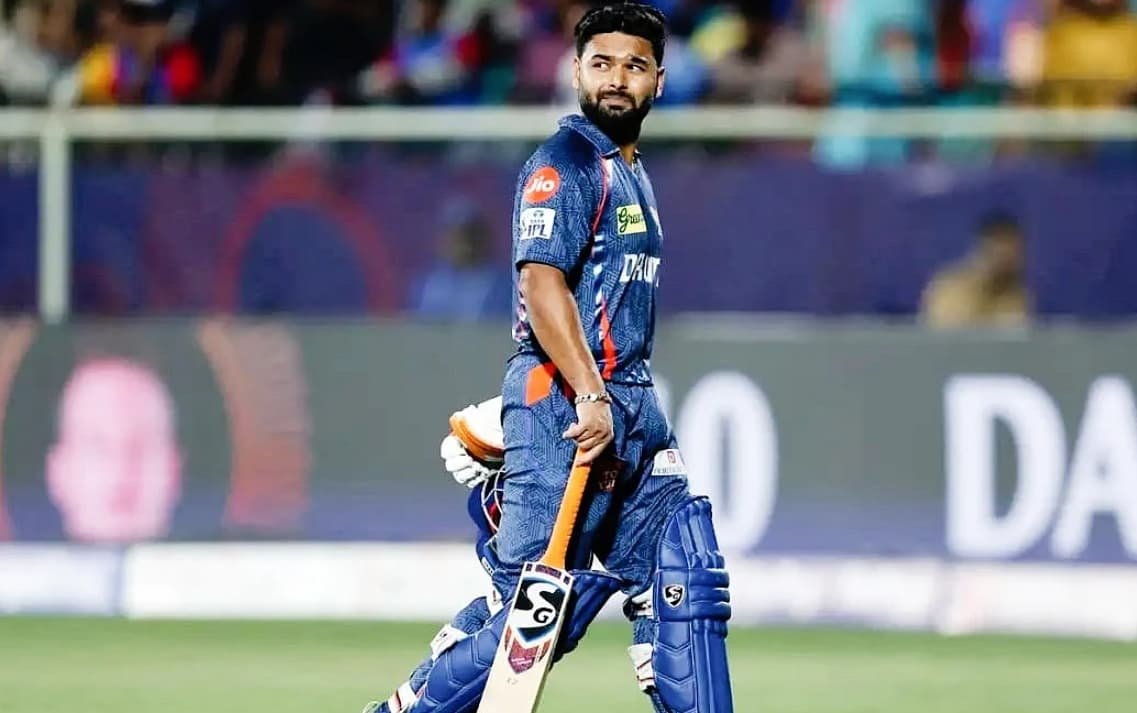
Meet the Highest Paid IPL Players 2026 List Leaders
Ten players command ₹18 crore or more this season. The list includes wicketkeepers, all-rounders, captains, and specialist bowlers. Each brings something franchises can’t easily replace through auction or development programs.
Pant’s ₹27 crore retention made him the tournament’s most expensive player. LSG needed his captaincy, keeping, and middle-order firepower all wrapped into one contract. His left-handed batting provides tactical balance against quality leg-spin attacks.
Shreyas Iyer follows at ₹26.75 crore with the Punjab Kings. He delivered PBKS their first playoff appearance in a decade as captain. That breakthrough performance justified the massive retention fee without hesitation.
Cameron Green earned ₹25.20 crore from the Kolkata Knight Riders in the auction. KKR made him the costliest auction buy ever. His all-round skills give them a top-order batsman who bowls genuine pace when needed.
Heinrich Klaasen sits at ₹23 crore after Sunrisers Hyderabad retained him. His explosive middle-order hitting won multiple matches in 2025. SRH learned from past mistakes when they released similar match-winners too early.
Virat Kohli remained at Royal Challengers Bangalore for ₹21 crore. He stepped down from captaincy but kept his status as their highest earner. RCB understands its value extends beyond batting statistics into brand power and fan engagement.
Breaking Down Top 10 Highest Paid IPL Players 2026 by Role
The salary structure reveals clear positional values. Wicketkeeper-batters dominate because they fill two crucial spots. All-rounders command premiums for giving teams tactical flexibility. Death bowlers earn big because quality executors are scarce.
| Position | Player | Franchise | Salary (₹ Crore) |
|---|---|---|---|
| WK-Batter | Rishabh Pant | LSG | 27.00 |
| Captain-Batter | Shreyas Iyer | PBKS | 26.75 |
| All-rounder | Cameron Green | KKR | 25.20 |
| WK-Batter | Heinrich Klaasen | SRH | 23.00 |
| Batter | Virat Kohli | RCB | 21.00 |
| WK-Batter | Sanju Samson | CSK | 18.00 |
| Leg-spinner | Rashid Khan | GT | 18.00 |
| Fast Bowler | Jasprit Bumrah | MI | 18.00 |
| Fast Bowler | Arshdeep Singh | PBKS | 18.00 |
| Fast Bowler | Matheesha Pathirana | KKR | 18.00 |
Three wicketkeeper-batters appear in the top six. That’s the market screaming about position scarcity.
Finding someone who keeps clean and bats aggressively creates bidding wars every auction cycle.
The ₹18 crore tier holds five players with specialized skills. Samson provides the Chennai Super Kings with opening and keeping options.
Rashid Khan controls the middle overs for the Gujarat Titans with unreadable variations. Bumrah executes the Mumbai Indians’ death bowling plans.
Arshdeep Singh handles Punjab Kings’ powerplay and final-over responsibilities. Pathirana adds mystery pace for Kolkata Knight Riders.
How Teams Built Their Highest Paid IPL Players 2026 Team Rosters?
Each franchise follows different spending philosophies.
Some load budgets on proven superstars. Others distribute money more evenly.
Both approaches can win titles when squad composition matches strategy.
Mumbai Indians invested in their championship core.
Bumrah (₹18 crore) and Hardik Pandya (₹16.35 crore) form their bowling and all-round foundation.
MI doesn’t chase trends when its existing formula delivers trophies.
Punjab Kings committed ₹44.75 crore to just two players. Shreyas and Arshdeep represent the captain and the strike bowler.
PBKS backed their playoff success with serious financial muscle behind key performers.
Kolkata Knight Riders dropped ₹43.20 crore on Green and Pathirana. That’s two overseas spots filled with premium quality.
KKR sacrificed squad depth for star power at the top.
Chennai Super Kings executed the smartest business. Trading for Samson at ₹18 crore avoided auction inflation.
CSK gets a versatile keeper-batter without depleting their remaining purse.
The All-Rounder Salary Premium Explained
Cameron Green’s ₹25.20 crore contract shows what all-round value means.
He bats top six, bowls pace, and fields anywhere. That flexibility compresses three roster needs into one player slot.
Hardik Pandya earns ₹16.35 crore for similar reasons. He finishes innings, bowls death overs, and captains MI.
Teams pay extra for players who adapt when match situations change unexpectedly.
Axar Patel commands ₹16.50 crore from the Delhi Capitals.
He bats left-handed in the middle order, bowls economical spin, and leads DC as captain. The captaincy premium added to his all-round base value.
Single-skill specialists struggle to reach top salary brackets anymore.
The game evolved. Teams want players contributing across multiple phases when squad sizes limit total selections.
IPL 2026 All Team Players List With Price Shows Franchise Values
Royal Challengers Bangalore kept faith in Virat Kohli despite his captaincy change. His ₹21 crore contract covers batting performance and massive brand appeal.
RCB knows its jersey sales and stadium attendance justify the investment.
Sunrisers Hyderabad locked Heinrich Klaasen after his 2025 explosion. He turned impossible chases into wins with late-order blitzes.
SRH remembers losing matches because they released similar impact players previously.
Gujarat Titans retained Rashid Khan for his middle-over mastery. Batters can’t read his googlies even after facing him repeatedly.
GT understands that the economy and wickets combination can’t be replicated.
Delhi Capitals made Axar their costliest player at ₹16.50 crore. DC prefers Indian talent over expensive overseas options.
Their philosophy is built around players who know conditions and handle tournament pressure naturally.
Lucknow Super Giants bet everything on Pant’s leadership.
He’s captain, keeper, and middle-order anchor simultaneously.
LSG needs his tactical decisions as much as his batting contributions.
Assembling the Highest Paid XI of IPL 2026
The eleven biggest contracts create a balanced playing side. Opening pair, middle order, finishers, all-rounders, and bowling attack all look solid. Chemistry and captaincy would determine actual success.
- Opening Partnership: Virat Kohli partners with Sanju Samson at the top. Kohli builds platforms while Samson attacks from the first over. Their combined experience handles any new ball challenge.
- Middle Order Core: Shreyas Iyer stabilizes at number three. Cameron Green follows with boundary-clearing power. Both play spin confidently and accelerate when required.
- Finishing Power: Rishabh Pant at five and Heinrich Klaasen at six bring explosive hitting. Left-right combination makes field placements difficult. Their strike rates above 140 suit chase scenarios perfectly.
- All-Round Balance: Hardik Pandya and Axar Patel complete batting while strengthening bowling. Both deliver four overs and late hitting. The team gets five bowling options without weakening the lower order.
- Bowling Combination: Rashid Khan controls the middle overs with spin variations. Jasprit Bumrah handles death bowling execution. Arshdeep Singh swings a new ball and bowls yorkers late. Matheesha Pathirana provides mystery pace as an impact substitute.
Total cost reaches ₹244.80 crore for these eleven. That exceeds two full squads at the maximum salary cap. Balance looks excellent, but it assumes everyone peaks simultaneously.
Tactical View: Understanding Salary Distribution Patterns
Big contracts reflect perceived value, not guaranteed production. Teams pay for reputation, recent form, and positional scarcity combined.
Death bowlers cost more than average players because quality options are limited.
The ₹18 crore bracket shows market equilibrium clearly. Samson, Rashid, Bumrah, Arshdeep, and Pathirana deliver specialized excellence.
Teams know their production levels without captaincy or all-round premiums.
Retention prices typically exceed auction values. Franchises pay extra to avoid bidding wars and preserve team chemistry.
Pant’s ₹27 crore retention wouldn’t happen in an open auction, but LSG valued certainty.
Younger players earn moderate deals despite talent. Teams reduce risk through conservative contracts on unproven cricketers.
Serious money flows only after establishing multi-season track records.
Why Captains Command Higher Salaries?
Shreyas Iyer, Axar Patel, and Hardik Pandya all captain their teams.
Leadership responsibility adds ₹2-4 crore to base salaries. Franchise cricket values tactical decision-making under pressure.
Teams need captains reading match situations, manage personalities, and execute strategies correctly.
Those abilities complement pure cricket skills. Franchises pay premiums for complete packages.
Pant’s ₹27 crore includes a significant leadership component. LSG sees him building team culture long-term.
His captaincy potential matters equally to batting and keeping combined.
Analyzing the Highest Paid 11 of IPL 2026 Composition
The eleven costliest contracts don’t guarantee the best team automatically.
Individual salaries reflect personal worth, not combination chemistry.
Championship teams need more than expensive names on paper.
Specialist openers barely appear in the top earners. Only Kohli makes it without keeping or bowling.
Teams now want flexible batters adjusting to any position based on match needs.
Three wicketkeeper-batters dominate the upper salary tiers. Pant, Klaasen, and Samson earned massive deals.
Position scarcity drives prices upward when multiple franchises compete.
Fast bowlers outnumber spinners heavily. Bumrah, Arshdeep, Pathirana, and Green (part-time) bowl pace.
Only Rashid and Axar represent spin. Modern T20 prioritizes pace variations.
Overseas representation stays minimal. Green and Pathirana represent international talent in the top eleven.
Teams prefer Indian stars who don’t occupy overseas slots and understand conditions better.
Expert Insight: What High Salaries Really Indicate?
Money follows scarcity and proven performance. Wicketkeeper-batters earn premiums because few exist who excel at both.
Death bowlers get massive contracts because yorker execution under pressure separates matches.
Captaincy bumps salaries substantially. Leadership adds intangible value beyond statistics.
Teams pay for decision-making ability when matches hang in the balance during the final overs.
All-round skills command higher rates than specialist abilities.
Green at ₹25.20 crore shows what batting plus bowling fetches. Single-dimensional players struggle reaching top brackets unless truly exceptional.
Youth takes backseat in salary wars. Experience and track records matter most when the stakes run high.
Franchises invest in proven performers over potential that might develop later.
The salary cap forces difficult choices. Every team operates under similar constraints.
Smart allocation across roles separates contenders from pretenders over tournament duration.
FAQs
- Who is the most expensive IPL 2026 player?
Rishabh Pant tops the list at ₹27 crore after Lucknow Super Giants retained him as captain and wicketkeeper.
- What’s the highest auction price this season?
Cameron Green went to Kolkata Knight Riders for ₹25.20 crore, becoming the costliest auction purchase in IPL history.
- How many players earn above ₹20 crore?
Five players crossed ₹20 crore: Pant (₹27 crore), Shreyas (₹26.75 crore), Green (₹25.20 crore), Klaasen (₹23 crore), and Kohli (₹21 crore).
- Why are wicketkeeper-batters paid so much?
They fill two critical positions simultaneously. Teams value players who keep clean and bat aggressively in any order.
- Does a high salary guarantee good performance?
Not always. Salaries reflect expected value based on past performance. Form, fitness, and match situations determine actual output.
Final Word:
The highest paid IPL players 2026 reveal what franchises consider non-negotiable.
Versatility beats pure specialist skills unless you’re truly exceptional.
Wicketkeeper-batters and all-rounders earn the most because they solve multiple problems.
Spending strategies differed wildly across teams. Some concentrated budgets on proven stars.
Others spread money, building depth. Both approaches can succeed when squad composition matches philosophy.
Player values will shift as careers progress. Today’s expensive retentions become tomorrow’s bargain picks.
That’s franchise cricket’s reality, where recent form matters more than past glory when contracts get negotiated.
Also Check:
- Which IPL Team Is Looking Dangerous in 2026
- IPL 2026 Injured Players List of All Teams
- KKR Coaching Staff for IPL 2026
About the Author
