Match 3 puts two rebuilding franchises on the same field. Rajasthan Royals traded away their captain and brought in experience.
Chennai Super Kings finished last season at the bottom and now play without MS Dhoni for the opening weeks.
The Barasapara stadium pitch report matters more than usual here. Neither team has settled on combinations yet.
Understanding conditions could help captains make smarter decisions at the toss and during the match.
Barsapara Stadium Pitch Report
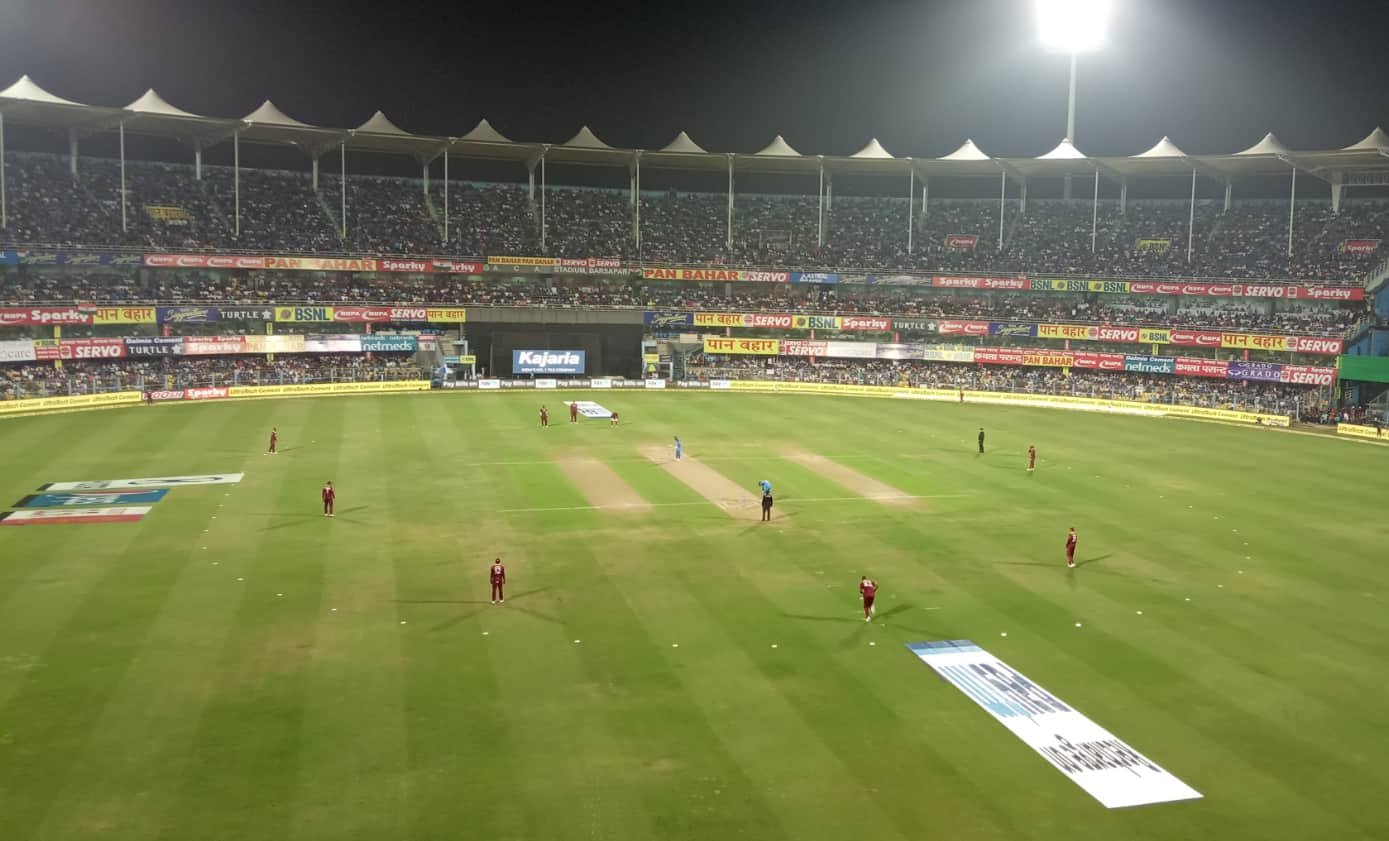
Rain threatens to complicate everything. The weather forecast looks grim for March 30.
Both teams need backup plans if the match gets shortened or interrupted.
Historical Data: What Six Matches Tell Us?
Barsapara Stadium has hosted six IPL matches. That’s enough to spot trends without making false claims about what “always” happens here.
The numbers paint a clear picture.
| Category | Data |
|---|---|
| Games played | 6 |
| Batting first wins | 3 |
| Chasing wins | 2 |
| Abandoned/Tied | 1/0 |
| 1st innings runs | 174.6 |
| 2nd innings runs | 161.6 |
| Run rate per over | 8.56 |
| Pace bowling wickets | 58.33% |
| Spin bowling wickets | 41.66% |
One abandoned match already tells you that the weather is a factor here. Rain has disrupted games before. It will likely do so again.
Batting Conditions: What Openers and Middle Order Face?
The Barsapara Stadium pitch report, batting or bowling split, favors batters significantly. An 8.56 run rate per over shows teams score quickly when they get set.
The first six overs offer some movement. New ball bowlers who pitch it up can get edges. But that window closes fast. After the powerplay, batting becomes easier.
Stroke makers do well here. The ball comes onto the bat cleanly. Players who hit through the line score boundaries regularly.
Those who look to manufacture shots by moving around the crease take more risks than necessary.
First Innings vs Second Innings Trends
Teams batting first average 13 more runs than chasing sides. That gap matters in T20 cricket.
Why the difference? Pressure plays a role. Chasing teams lose wickets trying to maintain the required rate. Teams setting targets can afford to rebuild after early losses.
The pitch doesn’t deteriorate much. It’s not a wearing surface that breaks up and helps spinners later. The scoring difference comes from mental pressure, not physical conditions.
Bowling Strategies: Pace Dominates, Spin Supports
Fast bowlers take nearly 60% of wickets at Barsapara. That’s a clear signal about team composition.
The Guwahati Stadium pitch report batting or bowling breakdown shows pacers matter more in both powerplay and death overs. Swing early, variations late. That’s the formula for success.
Why Spinners Struggle Here?
Spinners get some turn, but not enough to dominate. The surface doesn’t grip like traditional Indian pitches in Chennai or Delhi.
Middle-over specialists keep run rates down. That’s valuable. But wicket-taking threat comes mostly from pace.
Both teams should play three frontline seamers minimum. A fourth pace option through an all-rounder makes even more sense.
Weather Forecast: The Elephant in the Room
Here’s what Accuweather predicts for March 30.
| Element | Prediction |
|---|---|
| Temp | 19°C |
| Wind direction/speed | E 7 km/h |
| Precipitation chance | 90% |
| Cloud percentage | 74% |
A 90% rain probability isn’t something you plan around. It’s something you accept as inevitable.
How Teams Should Prepare for Rain?
DLS becomes the third team on the field when rain interrupts matches. Understanding the formula helps, but having wickets in hand matters most.
If batting first and rain looks imminent, teams should accelerate earlier than normal. Getting to 140-150 in 15 overs beats reaching 110-120 in the same span.
If chasing and rain threaten, preserving wickets becomes priority one. DLS calculations heavily favor teams with wickets remaining when overs get reduced.
The Barsapara Stadium weather report suggests multiple interruptions rather than one long break. That makes batting harder because the rhythm breaks constantly.
Barsapara Stadium Pitch Report Today: March 30 Expectations
The pitch for this match should behave like previous surfaces here. Groundstaff prepare pitches similarly unless instructed otherwise.
Expect early movement with the new ball. Yashasvi Jaiswal and Ruturaj Gaikwad both attack early, so the first three overs could see boundaries or wickets. Maybe both.
The Barsapara Stadium pitch report today won’t show a dramatic turn for spinners. Teams relying heavily on wrist spin might struggle. Finger spinners who dart the ball in could be more effective.
Death bowling separates good teams from average ones. The pitch stays true, so yorkers must be precise. Anything slightly off gets hammered for six.
Score Predictions: What’s Competitive Here?
The Barsapara Stadium pitch report average score sits at 174.6. That’s the baseline. Teams should aim higher.
Anything below 160 feels risky. Chasing sides with power hitters can hunt down 155-160 even if they lose early wickets.
Between 165 and 180 creates genuine contests. The chasing team needs partnerships. Individual brilliance alone won’t be enough.
Above 180 puts serious pressure on opponents. Only one or two chases above 180 happen at most grounds. Barsapara is no different.
The Barsapara Stadium pitch has reported the highest score from past IPL matches reaches near 190.
That’s the upper limit so far. Someone could break that record if conditions favor batting and rain stays away.
RR’s Strengths Match These Conditions
Rajasthan Royals look well-suited for Barsapara. Yashasvi Jaiswal thrives on true pitches where he can play his shots.
Vaibhav Suryavanshi, despite his age, shows similar attacking instincts.
Riyan Parag bats at four or five. He needs to convert starts here. Getting to 25-30 means nothing if he gets out before reaching 50.
Sam Curran brings left-arm pace and lower-order hitting. Both skills work at this venue. Curran’s slower balls could be deadly in overs 17-20.
Ravindra Jadeja gives RR control in the middle overs. He won’t take five-wicket hauls here, but he’ll keep things tight while others attack from the other end.
CSK’s Challenges Without Dhoni
Chennai Super Kings face real problems without MS Dhoni. His absence affects batting depth and decision-making behind the stumps.
Ruturaj Gaikwad carries a huge responsibility. He opens, captains, and needs to score runs consistently. That’s a lot for anyone, especially someone new to leadership.
The middle order needs to step up. Devon Conway or whoever bats at three must provide stability. If CSK loses three wickets in the powerplay, they struggle to reach 160.
CSK’s bowling could keep them in the match. They need early breakthroughs. Letting RR score 65-70 in the powerplay makes defending almost impossible.
Toss Decisions Matter More With Rain Around
Without rain, batting first makes sense. The pitch plays consistently, and 175-180 puts pressure on chasers.
With 90% rain probability, the calculation changes. Bowling first becomes tempting because DLS often favors chasing teams when matches get shortened.
Both captains will watch the sky during the toss. Dark clouds mean bowl first. Clear skies mean bat first.
That sounds simple, but the weather in Guwahati changes fast. What looks clear at toss time could turn ugly within 30 minutes.
What Fans Should Watch For?
Early wickets swing momentum. If RR loses Jaiswal in the first over, they’re under pressure immediately.
If CSK loses Gaikwad early while chasing, their chances drop significantly.
Powerplay scores matter. Teams reaching 55-60 without losing more than one wicket usually post 170-plus.
Death bowling execution decides close games. Wide yorkers, slower bouncers, and knuckle balls separate skilled bowlers from average ones.
Rain breaks test mental strength. Teams that refocus quickly after interruptions win. Those who stay distracted lose.
FAQs
- What’s the typical score at Barsapara Stadium?
First innings teams average 174.6 runs. Chasing teams average 161.6. Competitive totals range from 165 to 180. Anything below 160 becomes risky.
- Does rain usually affect matches at this ground?
One of six IPL matches got abandoned due to rain. The forecast for March 30 shows 90% precipitation chance, so interruptions are very likely.
- Who has the advantage, RR or CSK?
RR’s batting lineup suits this pitch better. CSK misses Dhoni’s experience. Rain could level things if DLS comes into play, giving CSK a chance despite their weaknesses.
- Should the toss winner bat or bowl first?
Without rain, bat first. With 90% rain forecast, bowl first. DLS calculations typically favor chasing teams when overs get reduced.
- Do spinners or fast bowlers perform better here?
Fast bowlers take 58% of wickets. Pacers dominate both early and late. Spinners provide control but less wicket-taking threat.
Wrapping Up
The Barsapara Stadium pitch report shows batting-friendly conditions. Teams can score 175-180 if their top order fires. Fast bowlers matter more than spinners.
But the weather makes everything uncertain. A 90% rain chance means this match could turn into a DLS lottery. The team that adjusts faster to changing conditions probably wins.
Rajasthan Royals start their new era under Riyan Parag. Chennai Super Kings try to forget last season’s collapse. Both need this win to build momentum.
The pitch gives batters confidence. The weather gives everyone anxiety. That combination makes Match 3 unpredictable and worth watching.
Also Check:
About the Author
