Every IPL auction tells you something about who owns the team.
When Rajasthan Royals spend smart instead of splashing millions on aging stars, that’s ownership philosophy in action.
The RR team owner net worth isn’t built on Bollywood fame or industrial empires.
It’s venture capital money mixed with global media influence and institutional sports investment.
This combination creates a franchise that thinks differently about cricket.
Most fans know RR won the first IPL in 2008 on a shoestring budget.
What they don’t realize is that victory wasn’t luck. It was the ownership model working exactly as planned.
RR Team Owner Net Worth 2026
Understanding Royals Sports Group’s Control Structure
Rajasthan Royals isn’t owned by a single entity.
The franchise operates under Royals Sports Group, which previously went by Emerging Media Sporting Holdings before rebranding.
This company holds approximately 60-65% stake in the team.
Unlike other IPL franchises backed by one corporation or family, RR uses a shared ownership approach across multiple investors.
Royals Sports Group doesn’t just run an IPL team.
They invest in cricket academies, talent development programs, and other cricket properties internationally.
The IPL franchise serves as their flagship asset.
The Man Making Final Decisions
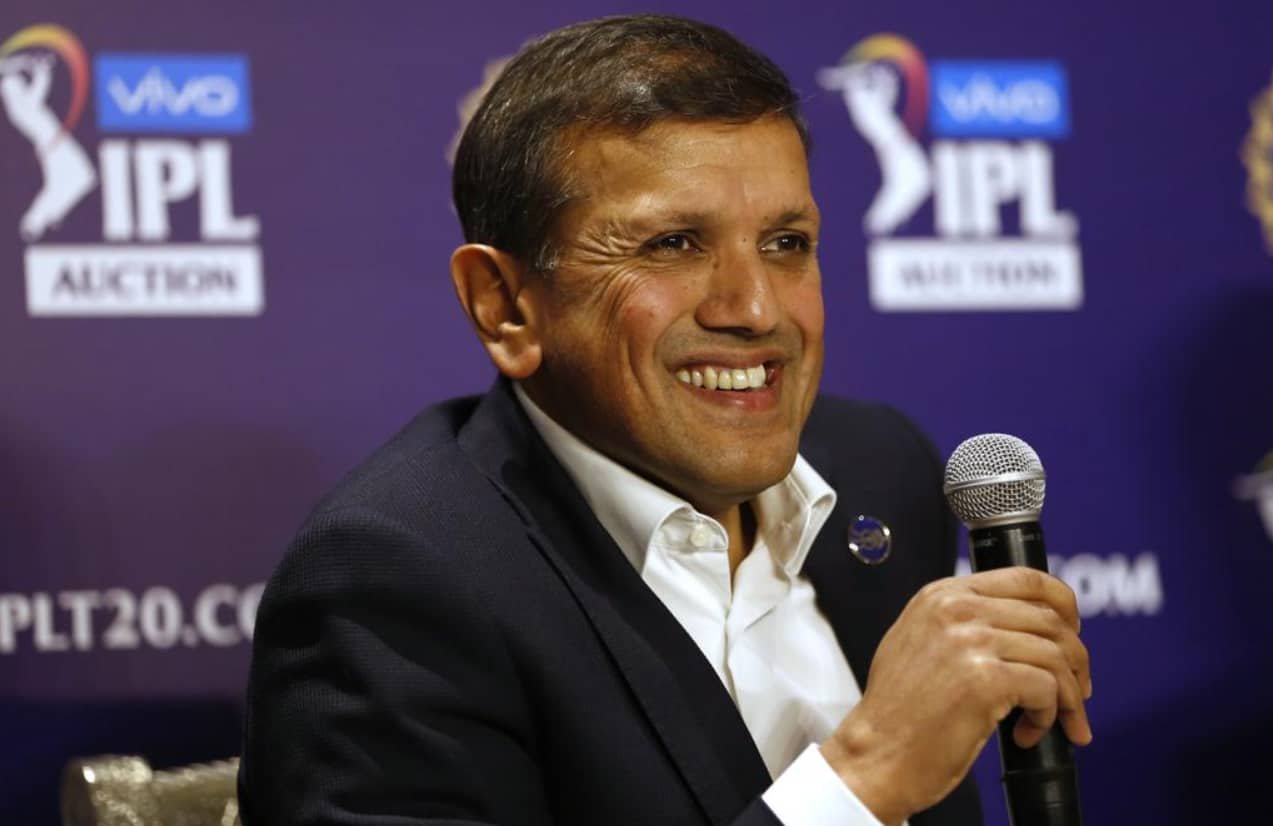
Manoj Badale chairs Royals Sports Group and serves as principal owner of Rajasthan Royals. Every major decision flows through him, from auction budgets to coaching appointments.
He’s a British-Indian entrepreneur who built his wealth through Blenheim Chalcot, a UK venture builder focused on technology and education businesses. His experience creating and scaling companies shapes how RR operates.
Think about how different this is from other ownership models. Badale approaches cricket like a portfolio investment requiring smart resource allocation, not an emotional vanity project.
Breaking Down Manoj Badale Net Worth 2026
The Manoj Badale net worth ranges between $150 million and $250 million across various estimates.
Private wealth calculations aren’t precise, especially when assets include equity stakes in multiple companies.
His fortune comes from three main sources:
- Venture Capital Returns: Successful investments in tech startups through Blenheim Chalcot generate ongoing returns as companies grow or exit.
- Education Technology: Several education-focused businesses Badale founded or backed have created substantial value over the years.
- Sports Investments: Beyond Rajasthan Royals, his sports business holdings contribute to overall wealth.
Converting to Indian rupees, the RR owner net worth in rupees sits around ₹1,250 crore to ₹2,000 crore, depending on exchange rates and current valuations.
| Ownership Entity | Stake Percentage | Primary Function | Active Since |
|---|---|---|---|
| Royals Sports Group (Manoj Badale) | 60-65% (Majority) | Operations and strategy | 2008 |
| Lachlan Murdoch | Minority stake | Media connections and visibility | 2008 |
| RedBird Capital Partners | Minority stake | Institutional expertise and growth | Later addition |
Who Are the Minority Stakeholders?
Two other entities hold smaller portions of Rajasthan Royals alongside Badale’s controlling interest.
Lachlan Murdoch comes from the famous Murdoch media dynasty. He’s Rupert Murdoch’s son and holds executive positions across global media companies. His personal and family wealth runs into billions, though exact figures vary by source.
Murdoch doesn’t involve himself in cricket operations. He’s not picking bowlers or analyzing pitch reports. His value comes from providing international credibility and media industry connections.
RedBird Capital Partners is a US-based private equity firm managing over $7.5 billion. They specialize in sports, media, and entertainment investments worldwide, including stakes in AC Milan and Fenway Sports Group.
RedBird brings institutional knowledge about running global sports franchises. They understand commercial growth, sponsorship optimization, and building sustainable revenue models.
How RR’s Ownership Differs From Other IPL Teams?
Compare the Rajasthan Royals owner structure to how other franchises operate. The contrast reveals why RR plays the way they do.
Mumbai Indians answers to Reliance Industries and the Ambani family. One decision-maker with effectively unlimited resources.
Chennai Super Kings runs through India Cements ownership. Royal Challengers Bangalore operates under United Spirits and Diageo.
The RCB owner net worth through Diageo’s corporate structure dwarfs that of individual owners. We’re talking tens of billions in market capitalization.
RR’s multi-investor model creates different incentives. Nobody can force bad decisions based on ego alone. Everything gets filtered through business logic and financial discipline.
Why This Structure Breeds Success?
Shared ownership means shared accountability. When multiple sophisticated investors watch the books, frivolous spending becomes harder to justify.
Badale can’t suddenly decide to pay ₹20 crore for his favorite player just because he feels like it. RedBird would ask hard questions about ROI. Murdoch would question the brand strategy.
This built-in discipline explains RR’s auction behavior. They walk away from bidding wars. They target undervalued assets. They develop young talent instead of buying finished products.
The Business Background That Shapes RR’s Strategy
Understanding where Badale made his money explains his cricket philosophy.
Venture capitalists look for asymmetric returns – small investments that could generate massive outcomes.
That’s literally how RR approaches auctions. Find the next Jofra Archer when he’s worth ₹2 crore, not ₹15 crore.
Identify Yashasvi Jaiswal before the Mumbai Indians notice him. Grab Riyan Parag at bargain prices.
Blenheim Chalcot’s model involves building companies from scratch in sectors like digital services, education platforms, and technology businesses.
Badale applies the same framework to cricket talent.
You don’t need the most expensive players.
You need the right players at the right price with the right development pathway.
Personal Life: Manoj Badale Wife and Privacy
Unlike owners who court celebrity status, Badale keeps personal matters private.
Details about Manoj Badale wife and family life remain largely out of public view.
This low profile matches his business-first approach to running Rajasthan Royals.
He’s not using cricket for social climbing or publicity. He treats it as a serious commercial enterprise.
Expert Analysis: Why Global Investors Back RR?
From a pure investment perspective, the Rajasthan Royals make sense for the ownership group.
The IPL keeps growing. Broadcast deals get bigger. Digital engagement increases. Franchise valuations rise.
But RR offers something beyond financial returns. It provides a testing ground for sports business innovation.
Badale experiments with talent identification systems.
RedBird learns about cricket’s commercial ecosystem.
Murdoch observes how cricket content performs across media platforms.
Each investor extracts different value from the same asset. That’s smart capital allocation.
The ownership group isn’t looking for quick flips.
They’re building long-term enterprise value while learning lessons applicable to other sports properties globally.
How was the Rajasthan Royals founded in 2008?
When the IPL launched, Emerging Media (now Royals Sports Group), led by Manoj Badale purchased the Rajasthan franchise.
From day one, they adopted what cricket now calls the “moneyball approach.”
The 2008 auction proved the model worked. While other teams chased big names, RR built a balanced squad through smart scouting and data analysis.
They grabbed Shane Warne as captain, found value picks like Yusuf Pathan, and constructed the cheapest team in the tournament.
Then they won the whole thing.
That championship validated everything the ownership group believed about the sports business.
You don’t need the biggest budget. You need the smartest strategy.
Franchise Valuation and Growth Prospects
The exact RR team owner net worth in terms of franchise value shifts annually based on IPL’s overall health.
Recent valuations place the Rajasthan Royals worth at several hundred million dollars.
As the IPL expands globally and broadcast rights increase, franchise values should continue climbing.
RR benefits from strong digital engagement, a loyal fan base, and efficient operations.
The ownership group’s business acumen positions them well for continued growth.
They understand revenue diversification through merchandise, sponsorships, content creation, and international partnerships.
FAQs: Common Questions About RR Ownership
- Who controls Rajasthan Royals in 2026?
Royals Sports Group owns the majority stake. Manoj Badale serves as principal owner and chairman, controlling franchise operations and strategy.
- How much is the RR owner worth?
Manoj Badale’s estimated net worth ranges from $150 million to $250 million, equivalent to roughly ₹1,250-2,000 crore in Indian rupees.
- Does Rajasthan Royals have multiple owners?
Yes. While Badale controls majority ownership through Royals Sports Group, Lachlan Murdoch and RedBird Capital Partners hold minority stakes.
- What company actually owns the RR franchise?
Royals Sports Group, formerly called Emerging Media Sporting Holdings, owns Rajasthan Royals with approximately 60-65% stake.
- Why doesn’t RR spend like Mumbai Indians or RCB?
The ownership group follows a disciplined, data-driven investment strategy focused on value creation rather than maximum spending. This approach prioritizes sustainable success over short-term results.
What This Ownership Model Means for RR’s Future?
The RR team owner net worth story reveals why the Rajasthan Royals operate differently from rival franchises.
It’s not about having less money. It’s about deploying capital more strategically.
Manoj Badale and his co-investors treat cricket as a business requiring discipline, innovation, and patience.
They won’t always outbid competitors for star players. They won’t panic after one disappointing season.
What they will do is continue identifying undervalued talent, developing young cricketers, and building sustainable competitive advantages.
That’s the ownership model in action. And for a franchise that won its first IPL on the smallest budget, it’s a model that keeps proving itself season after season.
Also Check:
- Chennai Super Kings New Jersey for IPL 2026 Season
- Afghanistan Players in IPL 2026
- Which Captain Lifted the Diamond Studded IPL 2008 Trophy
- IPL 2026 Sponsors List
About the Author
