In the 2019 IPL final, the Mumbai Indians needed to defend a modest total against the Chennai Super Kings.
With CSK needing 12 off the last over, Rohit Sharma made a field change mid-over, pulling in a sweeper to cut off the flat-bat boundary that Dhoni had been eyeing.
CSK could not find the gap. Mumbai won by one run.
That single adjustment is what good ipl captaincy tactics look like in practice.
The field is not set once and forgotten. It is a live tool, and the best captains treat it that way.
Every over brings a different batter, a different bowler, a different game situation.
IPL Captaincy Tactics
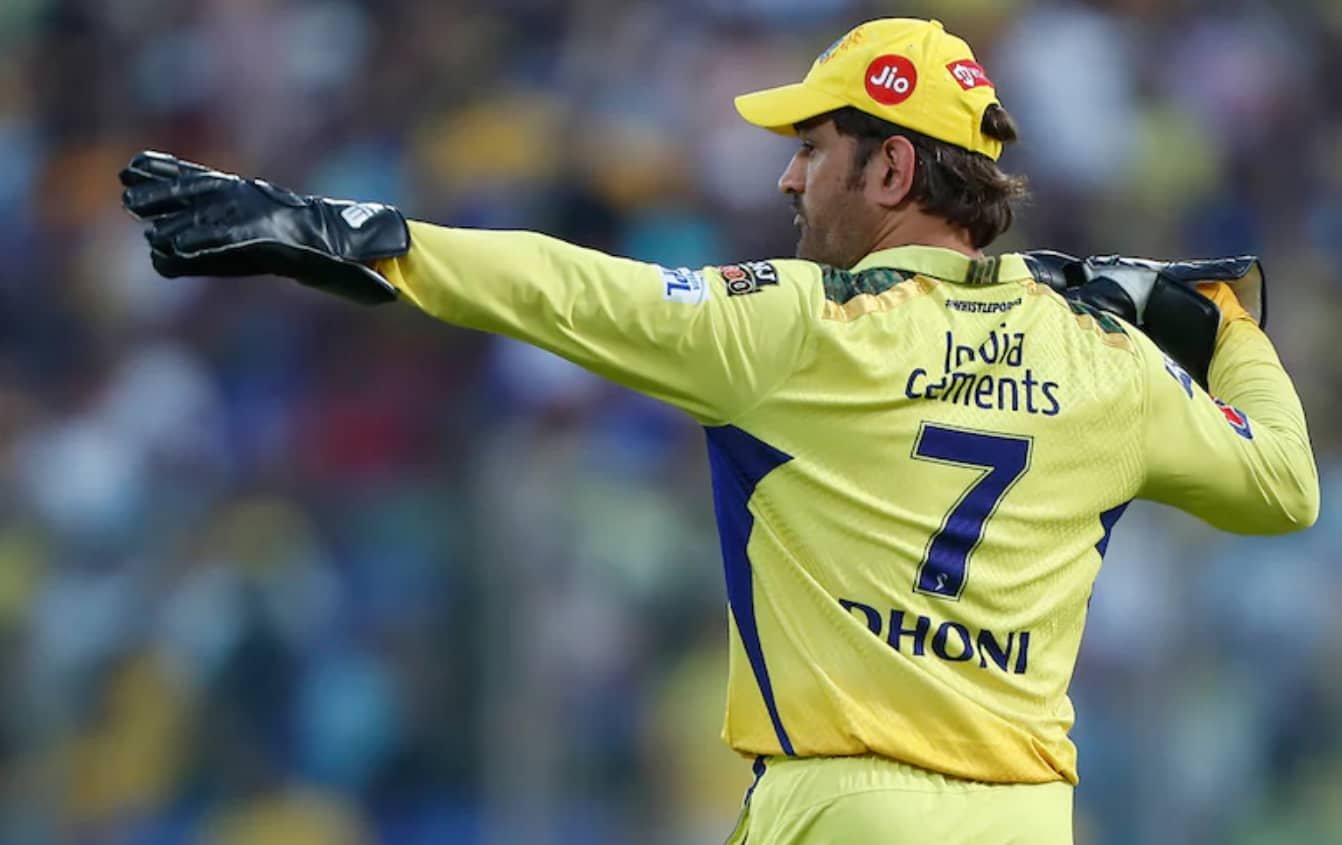
The field has to change with it. How captains manage that process separates average teams from champions.
The Art of Field Placement in T20 Cricket
Field placement matters more in T20 cricket than in any other format.
In Tests, a batter can wait out a bad field. In T20, they have 120 balls at most. Pressure from a tight field forces errors.
The captain’s job is to keep the batter guessing.
Do they have a sweeper at deep square or a catching fielder at midwicket?
Is the third man up or back? Each choice changes which shot the batter feels comfortable playing.
This is the core of T20 captaincy. You are not just setting a field.
You are removing options from the batter while giving your bowler a plan to bowl to.
The balance between attack and defence shifts constantly. In a powerplay, you want wickets. In the middle overs, you want dots.
In death, you want to protect boundaries. The field changes to match each goal.
Powerplay Field Restrictions: Maximizing the First Six Overs
The powerplay rule is one of the most important tactical constraints in IPL cricket.
Only two fielders can stand outside the 30-yard circle for the first six overs. This means batters have gaps everywhere, and run rates tend to spike.
Good captains do not just accept this. They use it.
One common tactic is placing both outside-circle fielders at fine leg and third man.
This protects against the edges and the flick off the legs, which are the easiest scoring shots against pace.
It forces the batter to hit through the offside to score, which demands more risk.
Other captains go more aggressively. They drop the third man and push both fielders to boundary saving positions at deep midwicket and long-on.
This dares the batter to play straight, which is harder under pressure.
Rohit Sharma at the Mumbai Indians became known for varying his powerplay fields based on the batter, not just the bowler.
Against left-handers who love the leg side, he often kept fine leg back but brought mid-on up to create a catching position. It was a calculated swap.
The two-fielder rule outside the circle is a constraint, but captains who plan around it rather than just accepting it get far more from their powerplay bowlers.
Middle Overs Strategy: Stopping the Flow of Runs
The middle overs, roughly overs seven to fifteen, are where matches are quietly won and lost. Batters who are set want to rotate. New batters are finding their feet. The captain’s job here is to build pressure through patience.
The ring field is the most common middle-overs setup. Four or five fielders sit on or just inside the 30-yard circle, blocking singles to the off side and leg side while keeping two back on the boundary. The idea is simple: make the batter work hard for every run.
A good ring field takes away the easy single but does not concede the boundary either. It pushes the batter to manufacture. That leads to mistakes.
Captains using spin in the middle overs often tighten the ring further. MS Dhoni was a master of this at CSK.
He placed fielders in unusual positions, sometimes pulling mid-on further to cover the sweep or pushing cover point straighter. Spinners need these precise adjustments because batters plan against standard fields.
Tactical analysis tools like official cricket betting id platforms track how scoring rates change when captains use different ring field configurations across middle overs.
Analysts use this data to understand which setups create the most dot-ball pressure for specific batters. The numbers often confirm what good captains figure out by instinct.
Stopping the flow of runs in the middle overs is not about big wickets. It is about 5 or 6 dot balls in a row that make the batter panic. The field creates that pressure more than the bowling does.
Death Overs Field Settings: Defending Small Totals
Defending in the death overs, roughly overs sixteen to twenty, is where captaincy decisions are most visible and most criticised.
The core death-overs field has four boundary fielders: fine leg, deep square leg, long-on, and long-off. These cover the four most common power shots.
The fifth fielder outside the circle is usually a sweeper at deep cover or third man.
The debate between third man and fine leg positioning is a live one across IPL teams.
Some captains prefer a deep third man to protect against the back-of-a-length punch over the off side.
Others prefer a deep backward square to stop the pull. The right answer depends entirely on the batter and the bowler.
Short fine leg versus a deeper boundary fielder is another call captains make often. If a pacer is bowling yorkers, bringing short fine leg in makes no sense.
But against a spinner in the death overs (rare but it happens), a short fine leg can be a genuine catching position.
The key mistake many captains make in death is setting up boundaries before considering single prevention.
A misfield off a single that gives the batter a second run can be just as costly as a six in the final over. The field has to be cut off from both.
Hardik Pandya at the Gujarat Titans showed strong death-overs captaincy by varying his boundary fielding between attacking and defensive setups based on the bowler.
He did not apply one template to everyone. His judgment of when to bring a fielder in for a catch versus keep them on the rope was sharper than most.
Match-Up Based Field Placements
Setting a field based on who is batting is standard at the international level. In IPL, with franchise teams playing the same opponents multiple times per season, it goes even deeper.
Against right-handed batters who favour the on side, many captains load the leg side with a mid-on, square leg, and fine leg on the boundary.
This removes the easy flick and forces the batter to drive on the off side, which is harder to control under pressure.
Against left-handers, the field flips. Off spinners need their straight mid-on and mid-off moved to account for the different angle.
Pace bowlers may bring in a short cover to tempt the drive. The geometry of the field changes completely.
Wrist spin against right-handers brings its own set of fields. Captains often keep a slip or short third man for the outside edge while also protecting against the sweep to square leg.
You cannot cover everything, so the captain and bowler agree on which shot they are happy to give away.
The leg-side trap is one of the most effective tactics against power hitters who love working the ball to the onside.
By placing three fielders on the leg side and bowling at the body, a captain forces the batter to either hit against their natural game or take the risk of hitting to a stacked side.
Reading Batsman Intent and Adjusting Fields
The best IPL captains read batters in real time. They pick up cues from the stance, the backlift, and where the batter is looking before the ball is bowled. That information triggers a field adjustment.
If a batter takes a big step to the leg side before the delivery, they are likely playing across the line.
The captain signals for the point to move finer. If a batter backs away to create room, the captain brings in a mid-off to cut off the straight hit.
These adjustments happen between deliveries, sometimes during the bowler’s run-up. They are not visible to most fans, but they are constant.
Cricket strategy databases like T20 sportsbook for indians document patterns in how field changes between deliveries affect scoring outcomes across match phases.
Analysts in franchise backrooms use this kind of data to study whether captains are reacting fast enough to batter movement, and which captains read batters most accurately over a full season.
Quick communication between the captain and fielders is what makes these adjustments work.
A slow fielder, a misunderstood signal, or a late change can leave a gap in exactly the wrong place.
The best captains are clear and fast. Rohit Sharma at MI became well-known for precise, quiet hand signals that moved fielders without any drama or confusion.
Famous IPL Captains and Their Signature Field Settings
- MS Dhoni changed the way spin is used in T20 cricket, and his field settings were a big part of that. He gave spinners unusual fields with packed off sides or inviting gaps on the leg side. He used the field to funnel batters into specific shots, then adjusted when they worked it out. His patience in not changing the field immediately after a boundary was unusual and effective.
- Rohit Sharma preferred aggressive powerplay fields. He liked to take wickets early and used catching positions that most captains would consider risky during the power restrictions. His success with Lasith Malinga depended on placing a short third man and a slip, creating a two-pronged edge catcher that felt like a Test-match setup in a T20 game.
- Hardik Pandya at the Gujarat Titans showed that younger captains can be exceptionally good at death-overs management. His boundary protection was organised without being predictable. He moved fielders based on what the bowler was planning to bowl, not on what the batter had just hit.
All three captains share one quality: they treat the field as a dynamic tool, not a static setup.
Common Field Placement Mistakes Captains Make
Setting the field too late is the most frequent error. A captain who is still moving a fielder as the bowler starts their run-up leaves the field exposed.
That half-second of confusion can mean a fielder is out of position for the delivery.
Not adjusting for conditions is another common problem.
A captain who keeps two slips in the powerplay on a flat pitch at Wankhede, because it worked in Chepauk, is ignoring context.
Field settings that work on one surface often fail on another.
Ignoring bowler strengths when setting the field undermines the whole exercise.
A leg spinner bowling around the wicket needs a different field than one bowling over.
Captains who apply one standard spin field regardless of the bowler’s angle make life harder for their own bowlers.
Poor communication is harder to spot from the stands, but it causes real damage.
Fielders in the wrong position because they did not hear a change, or who moved to the wrong spot, give away boundaries that should have been saved.
FAQs
- What are the powerplay field restrictions in IPL?
In the first six overs of an IPL innings, only two fielders are allowed outside the 30-yard circle. This creates gaps across the ground and generally leads to higher scoring in the powerplay phase.
- How many fielders can be outside the circle in T20?
After the powerplay, up to five fielders can stand outside the 30-yard circle. During the powerplay, the limit is two.
- What is a ring field in cricket?
A ring field places four or five fielders along the edge of the 30-yard circle. It cuts off easy singles while keeping boundary protection in place. Captains use it in the middle overs to create dot-ball pressure.
- Why do captains change fields so often in IPL?
Field settings change with every new batter, every new bowler, and every new match situation. Captains adjust based on how the batter is standing, what shot they appear to be planning, and which areas need protecting most urgently.
- Who is considered the best tactical captain in IPL?
MS Dhoni is widely regarded as the most tactically sharp IPL captain. His use of spinners, his patience with field settings, and his ability to read match situations made CSK consistently competitive across many seasons.
- What is the third man position in cricket?
Third man is a fielding position on the off side behind the wicket, between slip and the boundary. It protects against the edge that runs away for four and against the late cut. Captains debate whether to keep it up or push it back, depending on the pace of the bowler and the stage of the match.
Conclusion:
Field placement is where captaincy becomes visible. Every over, the captain is making choices that shape what the batter can and cannot do.
Get it right, and those choices add up to wickets and dot balls. Get it wrong, and the batter finds gaps that should not exist.
The best IPL captains combine reading of the game with sharp communication and a willingness to adjust.
It is both intuition and preparation working together, and it shows in the results.
Follow CricketAdviser.com for more tactical IPL analysis and captaincy insights.
About the Author
